NFTAMA Epochs and Safe Openings: What Changes and When
Understand NFTAMA’s two clocks: what triggers an epoch change, how price and AM weight move during a showcase opening, and which special conditions can affect a purchase.
An NFTAMA epoch is a system-wide period that sets the parameters for new showcase safes, while a safe opening is the shorter window in which one showcase safe can be purchased. The epoch changes when total network weight leaves its current range—not when an individual opening timer reaches zero—so that timer cannot reveal the next epoch date or a universally best purchase moment.
Epochs and openings run on two different clocks
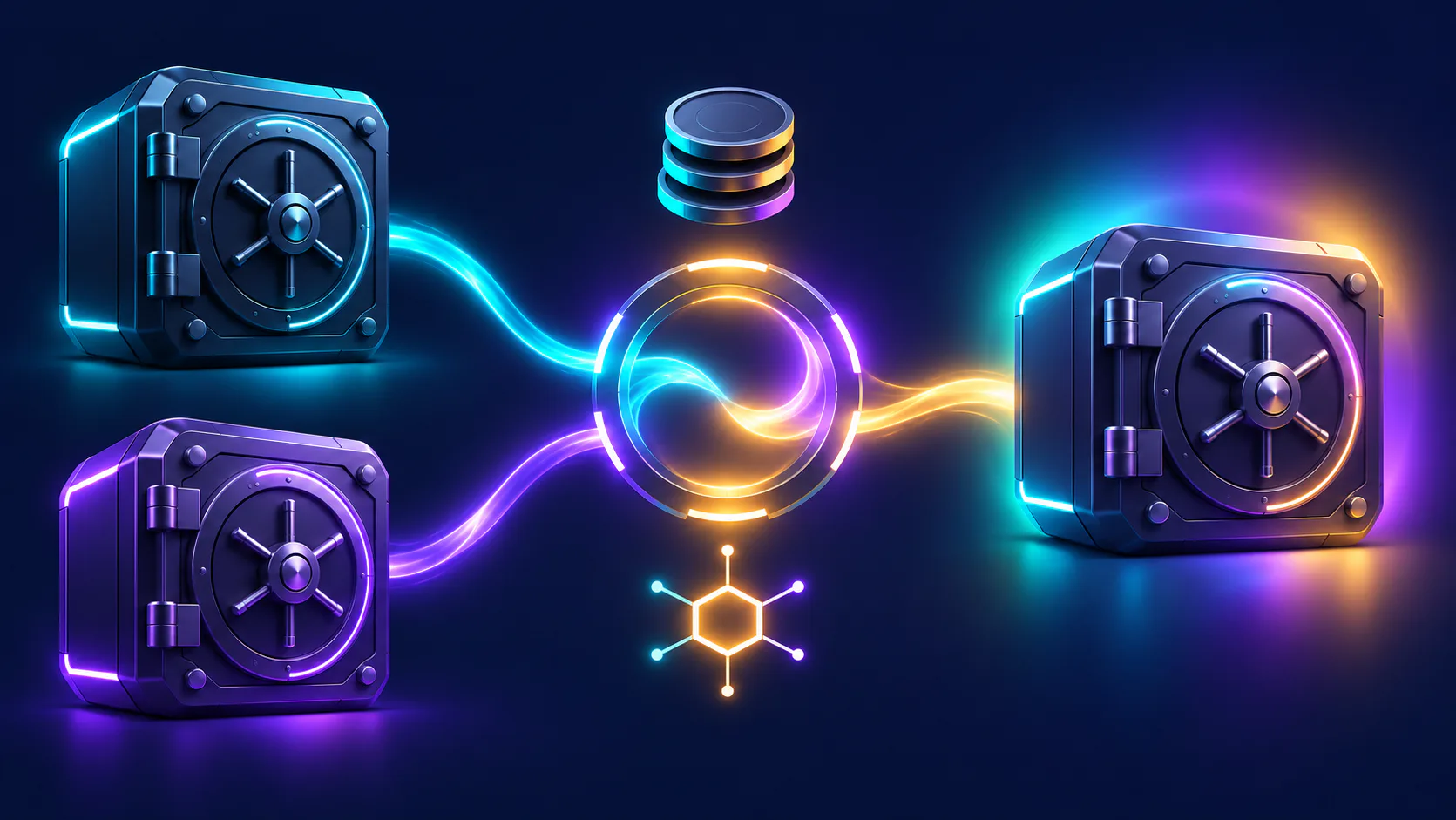
An epoch is not a fixed number of days. Under NFTAMA’s published rules, it changes when total network weight leaves the current range, with each subsequent range described as twice as wide. The epoch determines the price range, AM-weight range, opening lifetime and pause used for new showcase safes. See the Buying and Selling guide.
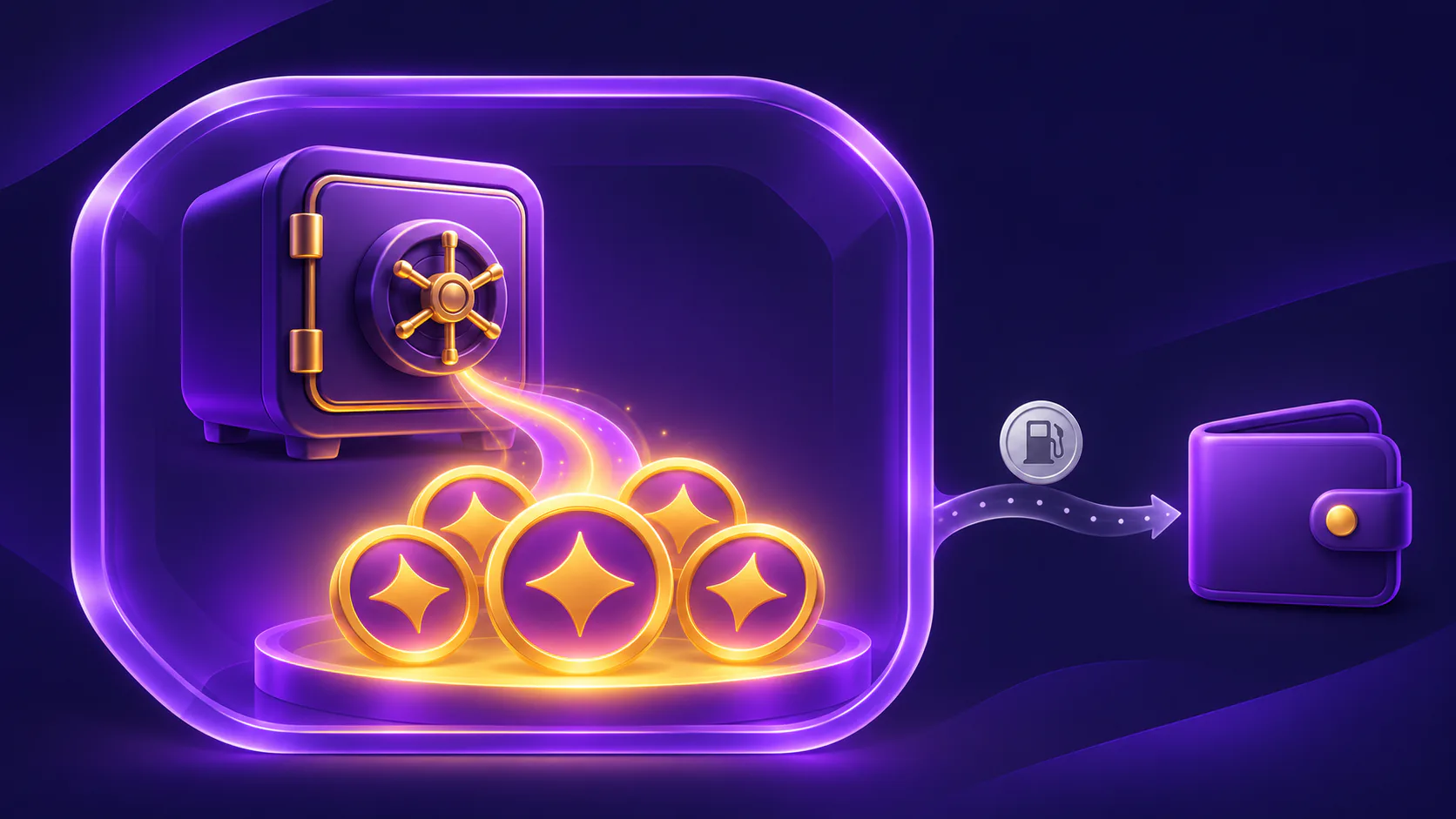
A showcase safe opening is the limited purchase window for one newly released safe. Here, “opening” does not mean unlocking a container or receiving randomized loot. NFTAMA’s Help guidance says only one new showcase safe is open at a time. Learn more about how NFTAMA virtual safes work.
Many openings can occur while the same epoch remains active. The epoch supplies the system-wide parameters; each opening applies them to one safe over a much shorter period.
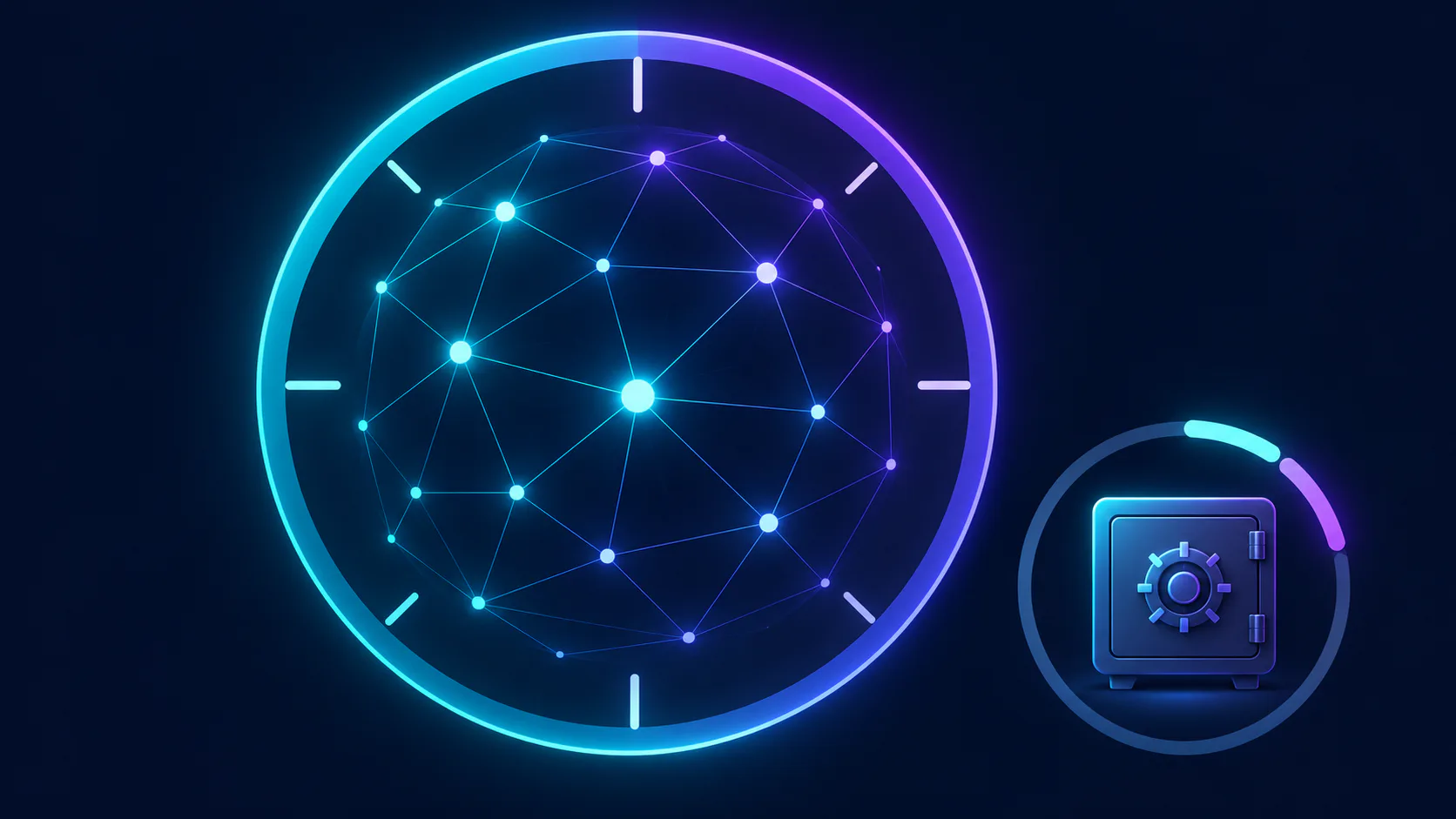
Think of NFTAMA as running on two clocks. The epoch clock is driven by total network weight. Inside that period, a separate opening clock runs for each showcase safe.
How the showcase lifecycle works
When a safe appears, its opening timer begins. Its displayed price and AM weight move linearly from their starting values toward their ending values until the safe is purchased or the opening expires.
A purchase ends that safe’s showcase stage. If nobody buys it, the published Help page says its active lifecycle ends and the platform moves to the next release stage. It does not specify that the same safe returns.
The opening lifetime and the pause between releases can change at an epoch transition. Opening frequency is therefore a parameter of the current epoch, not a permanent schedule.
Epoch parameters govern the showcase → a pause separates releases → one safe appears → its price and AM weight decline → the safe is purchased or expires → NFTAMA proceeds to the next release stage.
What changes during an opening and at an epoch transition
The central difference is scope. Price and AM weight move during an active opening; their starting ranges and the associated timing parameters change only when a new epoch begins. The transition figures above come from NFTAMA’s current Buying and Selling guide.
The payout reduction belongs to NFTAMA’s published emission-pool model. A holder’s share is based on qualifying AM weight relative to total network weight, as explained in how AM weight and network share work.
| Variable | During one opening | At an epoch transition | Conditional exception |
|---|---|---|---|
| Displayed safe price | Declines linearly from the starting price toward the ending price. | The published rule multiplies the safe-price parameters by 1.3. | An eligible discount can change the amount paid without changing the epoch’s base price. |
| AM weight | Declines linearly from the starting weight toward the ending weight. | The published rule multiplies the safe-weight parameters by 1.5. | A sale multiplier or weight coupon can change the weight received. |
| Price per 1 AM | Can rise because AM weight falls proportionally faster than the total price. | Recalculated from the new epoch’s price and weight ranges. | Discounts and weight multipliers can change an eligible buyer’s effective result. |
| Opening lifetime | Counts down for the currently displayed safe. | Multiplied by 1.1, subject to the published one-hour cap. | Purchase bonuses do not create a new epoch. |
| Pause between releases | Separates showcase openings. | Multiplied by 1.1, subject to the published four-hour cap. | User-specific purchase conditions do not alter the system-wide pause. |
| Emission-pool payout | An individual opening does not reset the epoch setting. | Reduced by 10% at each transition under NFTAMA’s published model. | Purchase-specific bonuses do not change this system-wide setting. |
Why a lower safe price can mean a higher price per AM
Using the Ziton parameters shown in NFTAMA’s guide on November 25, 2026, the safe price moves from 510 AMA2 toward approximately 87.43 AMA2 while AM weight moves from 35 AM toward 4 AM. Both decline linearly, but weight falls faster in proportional terms.
Waiting can therefore reduce the total AMA2 required while producing less AM weight and a higher effective cost per AM. It also leaves more time for another eligible purchase to complete first.
The card’s benefit percentage compares the current price per AM with the price per AM at the end of the opening. It is a relative showcase measure, not a profit or return estimate. Check the current showcase before relying on the dated figures.
- Near the start: 510 AMA2 ÷ 35 AM = 14.57 AMA2 per AM.
- Near the end: approximately 87.43 AMA2 ÷ 4 AM = 21.86 AMA2 per AM.
- The total price is lower near the end, but each AM costs more in this example.
- The same dated parameters list a 25-minute opening followed by an approximately 1.4-hour pause.
How purchase priority interacts with the opening timer
Seeing an open safe does not reserve it. NFTAMA’s documented sequence gives auction rules the first opportunity, followed by start-price rules. If the safe remains available, a manual buyer can act or a price-drop rule can execute when its threshold is reached. See Auto-Buy rules and purchase priority.
For rules competing at the same price or moment, the higher account level receives priority; equal levels are resolved randomly. Insufficient AMA2, insufficient BNB for gas, a paused rule or another completed purchase can prevent execution.
- Auction rules act when the safe appears.
- Start-price rules follow if no auction completes the purchase.
- Manual buying remains possible while the safe is available.
- Price-drop rules act when the displayed price reaches their selected thresholds.
Sale safes and bonuses change the purchase—not the epoch
A sale safe keeps the ordinary displayed price, but an eligible purchase during the first 10% of the opening receives the published 2× or 3× weight multiplier. The multiplier affects that purchase; it does not trigger a new epoch or apply to every showcase safe. Review the official sale-safe timing and weight multipliers.
NFTAMA also documents first-safe benefits and price or weight coupons. These can change what an eligible account pays or receives while leaving the epoch’s base parameters unchanged.
An opening is the purchase window. A sale is a conditional modifier on a particular opening. An epoch determines the underlying system-wide parameters.
Check the live conditions before choosing when to act
There is no single best point in an opening for every user. Earlier in the published example means more AM weight and a lower price per AM; waiting means a lower total AMA2 amount but less weight and greater execution uncertainty.
Use the current price, AM weight, price per AM, remaining time, applicable modifiers and purchase priority to compare the available trade-offs. These figures explain the transaction conditions; they do not predict future token value or returns.
- Confirm the epoch name and compare the live values with any dated example you are using.
- Record the starting and ending price, starting and ending AM weight, time remaining and current price per AM.
- Check for a sale marker, first-safe benefit or coupon that changes the ordinary result.
- Choose the intended purchase method: auction, start price, manual purchase or price drop.
- Before relying on Auto-Buy, confirm sufficient AMA2 for the purchase and BNB for gas.
- Compare the total AMA2 required, the AM weight received and the possibility that another eligible purchase completes first.
FAQ
Can I know exactly when the current NFTAMA epoch will end?
Not from a fixed calendar schedule. The next epoch begins when total network weight leaves the current epoch’s range. An exact date would require the current range boundary and live total network weight; a safe’s opening timer does not provide that countdown. See the Buying and Selling guide.
What happens if nobody buys a showcase safe before the opening expires?
The safe’s active opening lifecycle ends, and NFTAMA proceeds to the next release stage. The published Help page does not specify that the same safe will return or describe a more precise post-expiry sequence. See how NFTAMA virtual safes work.
Who gets priority when a showcase safe appears?
Auction rules act when the safe appears. If no auction completes the purchase, start-price rules follow. Manual buying remains possible while the safe is available, and price-drop rules act when their thresholds are reached. For rules competing at the same price or moment, NFTAMA gives priority to the higher account level and resolves equal levels randomly. See Auto-Buy rules and purchase priority.
Why might an NFTAMA auto-buy rule be skipped?
Documented causes include insufficient AMA2, insufficient BNB for gas, a paused rule, lower priority or another purchase completing first. Configuring a rule does not reserve the safe. Use the Auto-Buy guide for rule-specific checks.
How is a sale-safe opening different from an ordinary opening?
A sale safe keeps the ordinary displayed price, but an eligible purchase during the first 10% of its opening receives the published 2× or 3× weight multiplier. This is a conditional purchase modifier, not an epoch transition or a feature of every opening. See the Sales guide.
NFTAMA’s two clocks answer different questions. Total network weight determines when the epoch changes, while the opening timer controls how one showcase safe’s price and AM weight move while it remains available. Keeping those clocks separate—and then checking purchase priority and conditional modifiers—makes each live opening easier to compare.
Compare the two clocks in real time: open the current NFTAMA showcase and check the live price, AM weight and time remaining.