

Examples of Users' Virtual Safes
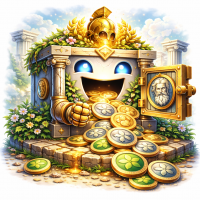
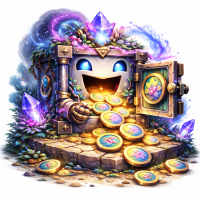
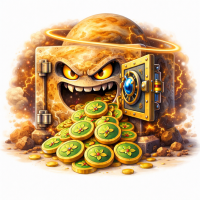
Below are real active safes owned by users. Click any card to open the public safe page with detailed information.

What is a virtual safe
An NFTama virtual safe is an NFT asset with its own weight, class, level, age, and purchase history.
For the user, this is not just a collectible item, but a working unit of the ecosystem: a safe can be bought, held, strengthened, used to mint new safes, and transferred to other users within the platform.
The following parameters are important on a safe card:
- weight is the key characteristic of the safe;
- class and quality strengthen the weight;
- level can be upgraded;
- safe age increases its strength over time;
- purchase cost can be in BNB, AMA2, or a combination of both, depending on how it is obtained.
Why safe weight matters so much
Safe weight is used to calculate your share inside the platform. The higher the total weight of your safes, the more noticeable your participation in NFTama's internal economy distribution.
A simple way to understand it: if the total weight of all users is 10,000 AM and the weight of your safes is 1,000 AM, your share is about one tenth of the system. If your portfolio grows to 1,500 AM while the system total stays the same, your share rises to roughly fifteen percent of the total weight.
That is why users usually do not stop at a single safe: the number of safes, their quality, age, and upgrades all matter. All of these parameters contribute to the total weight of the portfolio.
A portfolio, not just one purchase
One safe can be the start, but real strength usually comes from a collection of safes: the higher the total portfolio weight, the more noticeable your share in the system.
AMA2 and safe development
AMA2 is directly tied to safes in the ecosystem: it is used to buy, upgrade, and mint new safes, while the weight of safes affects the user's participation in the platform economy.
Where to get a safe
There are several main ways to get a real virtual safe on the platform:
- buy an open safe at the moment it appears;
- set up automatic purchase rules so you do not have to wait manually;
- buy a safe from another user through the internal market;
- mint a new safe for AMA2 based on the safes you already own.
If you do not want to constantly wait for openings manually, it is more convenient to use the purchase rules section. It lets you define in advance under which conditions the system will try to buy a safe for you.
How to buy a safe when it opens
At any given moment, only one new safe is open on the platform. It appears under the conditions of the current epoch and lives for a limited time.
The epoch defines the safe's starting and ending price, starting and ending weight, as well as its lifetime. That is why users evaluate a safe not in the abstract, but in the context of the current epoch: in one period the market may be softer, in another much stronger.
You can buy a safe manually on the purchase page, or configure rules in advance:
- buy immediately at the starting price;
- try to buy out the safe using your own auction logic;
- wait until the price drops to the level you need.
If a user does not buy the safe from the showcase, its open lifecycle ends and the platform moves on to the next release stage. This is another reason active users usually rely on purchase rules, not only on manual mode.
How price and weight are tied to the epoch
A new safe does not appear randomly, but within the framework of the current epoch. The epoch sets the price range and the weight range of the new safe. So the value of an opening is determined by two things at once: how much the safe costs at that moment and what weight it gets in that epoch.
After purchase, the showcase stage ends, and the safe starts living as a separate user asset. It is then evaluated not only by its entry price, but also by its weight, class, age, level, and how well it fits into your portfolio.
In practice, users evaluate a good safe by much more than its purchase price. Over time, class, upgrades, age, and its role in the portfolio all add to its value. That is why strong safes on the internal market are often perceived very differently from a newly opened safe.
What is safe age
Safe age is a separate growth mechanic. As a safe gets older, it does not simply remain with the owner; it passes through age stages that strengthen its weight.
The key thresholds start at 30, 60, and 90 days and continue through later stages. After longer holding periods, growth continues under a separate daily model. This means that an "old" safe is no longer the same asset it was on the day of purchase.
That is why users value not only new openings, but also safes with history: time itself becomes a factor in portfolio strength.
Safe class
Each safe has a class, series, and quality. Class affects the weight modifier, so two safes with similar starting parameters can give their owners different final results.
Safe level
Real safes can be upgraded using AMA2. Each level increases the upgrade cost, but it also increases the safe's weight. At the same time, safe quality amplifies the effect of the upgrade.
Why modifications make sense
A modification turns a safe from a one-time purchase into an asset that can be strengthened gradually. Instead of starting from scratch every time, a user can build up the strength of an already purchased safe and increase the total weight of the portfolio.
This is especially important for strong, high-class safes: it is beneficial not only to hold them, but also to develop them. The better the safe at the start, the more attractive it becomes in the long term.
Where to keep safes so they work inside the platform
If you want a safe to participate in NFTama's internal mechanics, you need to keep it in the part of the ecosystem where the platform sees it as your asset and can account for its weight.
In this state, the safe affects your total weight and participates in age mechanics, modifications, the internal market, and the minting of new safes for AMA2.
Summary: why users build a portfolio of safes
The value of a virtual safe is not defined by a single number. Its weight, class, age, level, purchase method, development history, and place in your overall portfolio all contribute at the same time.
A strong user strategy therefore looks like this: buy a safe at the right moment, keep it inside the platform over time, strengthen it with AMA2, use age growth to your advantage, and, when needed, expand the portfolio with new purchases or minting. This is how safes gradually become long-living assets of the ecosystem.